
Saree to Ready to Wear Saree: A Complete Guide to Converting and Styling a Saree
A saree is one of the most beautiful and timeless outfits in Indian fashion. However, wearing a traditional saree can sometimes take time, especially when you are in a hurry or still learning how to drape it properly. This is where the concept of saree to ready to wear saree becomes useful. A traditional saree can be converted into a ready-to-wear style that is easier to put on, comfortable to manage, and perfect for modern lifestyles.
Ready-to-wear sarees have become increasingly popular because they offer the elegance of a traditional saree with the convenience of modern clothing. They are especially useful for working women, college students, travelers, beginners, and anyone who wants to wear a saree without spending a lot of time making perfect pleats.
In this guide, we will explain how a traditional saree can be converted into a ready-to-wear saree, different conversion methods, suitable fabrics, benefits, styling ideas, and tips to get the best results.
best tool is chatgpt .
What Is a Ready-to-Wear Saree?
A ready-to-wear saree is designed to be worn more easily than a traditional saree. Instead of creating all the pleats and arranging the drape from scratch, the saree is pre-stitched or structured in a way that makes wearing it faster.
A traditional saree usually requires several steps:
- Wearing a blouse
- Putting on a petticoat
- Tucking the saree
- Creating pleats
- Arranging the pallu
- Securing the pleats with pins
- Adjusting the saree for comfort
A ready-to-wear saree simplifies many of these steps.
The exact construction can vary. Some ready-to-wear sarees have pre-stitched pleats, while others use a skirt-like base with the saree attached. Some designs also include a pre-stitched pallu.
Why Convert a Saree Into a Ready-to-Wear Saree?
There are several reasons why someone may want to convert a traditional saree into a ready-to-wear version.
Saves Time
One of the biggest advantages is convenience. A traditional saree can take time to drape correctly. A pre-stitched saree can often be worn much faster.
This makes it useful when you are getting ready for work, a party, wedding, or family function.
Easier for Beginners
People who are new to sarees may struggle with pleats and draping. Converting a saree into a ready-to-wear design can make the outfit much easier to manage.
Comfortable for Long Events
A properly fitted ready-to-wear saree can stay in place more easily. This can be helpful during weddings, festivals, parties, and other long events.
Convenient for Travel
Traditional sarees can be difficult to drape while traveling. A ready-to-wear saree can be a practical option when you want to carry and wear an Indian outfit without dealing with complicated draping.
Modern Appearance
Ready-to-wear sarees can create a neat and structured appearance. Many modern designs combine traditional saree elements with contemporary silhouettes.
How to Convert a Traditional Saree Into a Ready-to-Wear Saree
If you already have a favorite saree and want to convert it into a ready-to-wear version, there are several approaches.
The best method depends on the fabric, length, design, and the type of ready-to-wear style you want.
Method 1: Pre-Stitch the Pleats
One of the simplest ways to make a saree easier to wear is to pre-stitch the front pleats.
The saree is measured and arranged into the desired pleats. The pleats are then carefully stitched together.
When you wear the saree, the pleats are already prepared, so you do not need to create them from the beginning.
This method can work particularly well for lightweight and medium-weight sarees.
However, the stitching should be done carefully so that the saree retains a natural appearance.
Method 2: Add a Ready-to-Wear Waistband
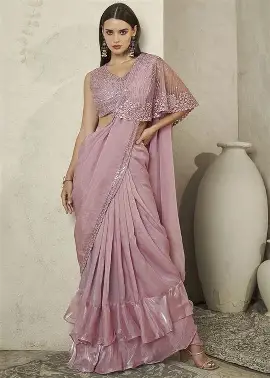
Another option is to attach the saree to a waistband.
The lower portion of the saree can be structured around a waistband so that it can be worn similarly to a skirt.
A zipper, hooks, or other fastening system can be added depending on the design.
This method can provide additional support and make the saree easier to put on.
Method 3: Convert It Into a Pre-Pleated Saree
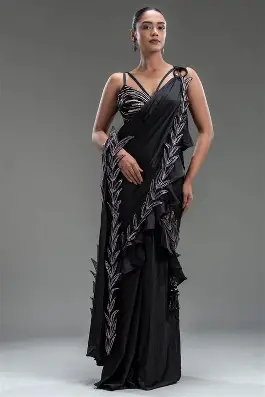
A pre-pleated saree is one of the most popular ready-to-wear styles.
The pleats are permanently arranged and stitched. The wearer generally needs to secure the saree around the waist and arrange the pallu.
Pre-pleated designs are particularly useful for people who want the traditional appearance of a saree without spending time creating each pleat.
Method 4: Add a Skirt Base
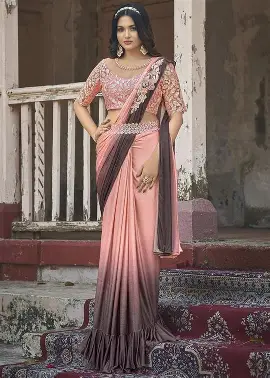
For a more structured design, the saree can be converted into a ready-to-wear garment using a skirt-like base.
The fabric is attached to the base, and the waist area is fitted according to the wearer’s measurements.
This style can provide a secure fit and can be especially useful for heavy sarees.
Method 5: Create a Pre-Stitched Pallu
The pallu can also be structured or pre-stitched.
This can make the saree easier to style because you do not have to spend time arranging the pallu each time you wear it.
A pre-stitched pallu can be designed in different styles, including shoulder drapes and pleated styles.
Can Every Saree Be Converted Into a Ready-to-Wear Saree?
Most sarees can potentially be adapted, but the result depends on the fabric and design.
Lightweight sarees are often easier to work with because they can be folded and stitched without creating too much bulk.
Heavier sarees may require stronger construction and careful measurement.
Sarees with extensive embroidery, sequins, zari, beads, or other embellishments need special attention. Cutting or stitching them incorrectly could damage the decorative work.
If the saree is expensive or has sentimental value, it is better to consult an experienced tailor or saree specialist before making permanent alterations.
Best Fabrics for Ready-to-Wear Sarees
Different fabrics create different effects when converted into ready-to-wear sarees.
Cotton
Cotton sarees can be comfortable and practical. They are suitable for everyday wear, office outfits, and casual occasions.
A structured cotton ready-to-wear saree can provide a neat and comfortable appearance.
Silk
Silk sarees are popular for weddings and traditional celebrations. They can also be converted into ready-to-wear styles.
However, because silk can be expensive, alterations should be handled carefully.
Georgette
Georgette is lightweight and flows beautifully. It can work well for party and festive ready-to-wear sarees.
Chiffon
Chiffon sarees are lightweight and elegant. They can be suitable for evening events and parties.
Organza
Organza has a structured texture that can create a fashionable silhouette. It can look beautiful in a pre-pleated or contemporary ready-to-wear design.
Linen
Linen sarees can create a stylish and comfortable look. They are especially suitable for daytime events and office wear.
Ready-to-Wear Saree vs Traditional Saree
Both styles have their own advantages.
A traditional saree provides maximum flexibility because you can change the pleat size, pallu style, and drape according to your preference.
A ready-to-wear saree is more convenient because much of the styling is already prepared.
Traditional Saree
- Flexible draping
- Multiple styling options
- Traditional appearance
- Can be adjusted during wearing
- Requires more time
Ready-to-Wear Saree
- Quick to wear
- Easier for beginners
- Convenient for travel
- Structured appearance
- Less time needed for draping
The right choice depends on your lifestyle and personal preference.
How to Choose the Right Measurements
Measurements are one of the most important parts of converting a saree into a ready-to-wear saree.
A tailor may need measurements such as:
- Waist
- Hip
- Desired length
- Pallu length
- Pleat width
- Blouse measurements if included
The saree should fit comfortably rather than being extremely tight.
Remember that you may wear the saree for several hours, so comfort is important.
Should You Leave Extra Seam Allowance?
When altering an expensive saree, it can be useful to discuss seam allowance with the tailor.
Body measurements can change over time, and leaving some allowance may make future adjustments easier.
However, the amount of extra fabric that can be preserved depends on the construction of the saree.
How to Style a Ready-to-Wear Saree
Once your saree has been converted, styling it can be just as fun as styling a traditional saree.
Choose the Right Blouse
The blouse can completely change the appearance of your saree.
For a traditional look, choose a classic blouse with a round or boat neckline.
For a modern appearance, you can try:
- Halter-neck blouses
- Off-shoulder designs
- High-neck blouses
- Full-sleeve blouses
- Backless designs
- Peplum-inspired blouses
The blouse should complement the fabric and occasion.
Add a Belt
A belt around the waist can give a ready-to-wear saree a contemporary appearance.
A simple belt can work with office or casual outfits, while a decorative belt can complement party-wear sarees.
Choose Suitable Jewelry
Jewelry should match the overall style of your saree.
Traditional sarees can be paired with:
- Jhumkas
- Gold necklaces
- Bangles
- Chandbalis
- Maang tikka
For modern sarees, you can choose statement earrings, minimal necklaces, or contemporary jewelry.
Select the Right Footwear
Your footwear can affect the length and appearance of your saree.
Heels can create a polished appearance and help maintain the desired saree length.
Comfortable flats or traditional footwear can be suitable for casual occasions.
Ready-to-Wear Saree for Working Women
A ready-to-wear saree can be a practical option for working women who want to wear traditional clothing without spending too much time getting ready.
Choose fabrics that are comfortable and easy to maintain.
Simple prints, solid colors, subtle borders, and lightweight fabrics can create an elegant office look.
Pair the saree with a structured blouse, minimal jewelry, and comfortable footwear for a professional appearance.
Ready-to-Wear Saree for Weddings
Ready-to-wear sarees can also be excellent for weddings.
If you are attending a wedding as a guest, you can choose a silk, Banarasi, organza, georgette, or embroidered saree.
For a glamorous appearance, consider a saree with:
- Sequins
- Embroidery
- Metallic borders
- Decorative blouse
- Statement pallu
Because weddings can involve long hours of standing, walking, and dancing, a secure saree design can be especially useful.
Ready-to-Wear Saree for Beginners
If you have never worn a saree before, a ready-to-wear saree can be a great starting point.
Traditional draping can seem complicated at first. A ready-to-wear version allows beginners to experience the outfit without worrying about creating perfect pleats.
Once you become comfortable wearing a saree, you can gradually learn traditional draping techniques.
Advantages of Converting Your Existing Saree
Instead of purchasing a new ready-to-wear saree, converting an existing saree can be useful.
You can transform a saree that you already love into something more convenient.
This can be especially valuable when:
- You have an old favorite saree
- You want to reuse a family saree
- You want to wear a saree more often
- You struggle with traditional draping
- You want to modernize an older saree
An older saree can sometimes get a completely new appearance through careful tailoring and styling.
Things to Consider Before Conversion
Before converting a saree, think carefully because some alterations may be permanent.
Consider the Saree’s Value
If the saree is expensive, antique, inherited, or sentimental, avoid experimenting with it yourself.
Check the Fabric
Some delicate fabrics may require specialized tailoring.
Plan the Style
Decide whether you want pre-stitched pleats, a waistband, a skirt-style base, or another design.
Choose an Experienced Tailor
A tailor experienced in saree alterations can understand how to preserve the border, pallu, and overall appearance.
Take Accurate Measurements
Incorrect measurements can make the saree uncomfortable or affect how it falls.
Common Mistakes to Avoid
One common mistake is cutting the saree without planning the final design.
Another mistake is making the pleats too narrow or too wide without considering the fabric.
Avoid using excessive stitching on delicate areas, particularly around embroidery or zari.
Do not ignore the saree’s original border and pallu. These are often important visual elements and should remain properly positioned after conversion.
Also, do not make the waistband too tight. A comfortable fit will make the saree easier to wear for long periods.
How to Maintain a Ready-to-Wear Saree
Ready-to-wear sarees should be stored and cleaned according to their fabric.
Check the care label before washing or dry cleaning.
For delicate sarees, professional cleaning may be preferable.
When storing the saree, avoid placing heavy objects on top of it. Fold it carefully and keep it in a dry environment.
If the saree contains zari, embroidery, stones, or sequins, use extra care during cleaning and storage.
Is a Ready-to-Wear Saree Worth It?
For many people, the answer is yes.
A ready-to-wear saree provides the traditional appearance of a saree while reducing the effort needed to wear it.
It can be especially useful for busy lifestyles, beginners, travelers, working professionals, and people attending events where they want a neat appearance without constantly adjusting their saree.
However, traditional sarees still have an advantage when you want complete freedom to experiment with different draping styles.
Final Thoughts
Converting a traditional saree to ready to wear saree can be a practical way to combine Indian tradition with modern convenience. Instead of spending a long time creating pleats and adjusting the drape, you can have a pre-stitched design that is easier to wear and manage.
There are several ways to create a ready-to-wear saree, including pre-stitching the pleats, adding a waistband, creating a pre-stitched pallu, or using a structured skirt base. The right method depends on the fabric, design, measurements, and desired style.
Ready-to-wear sarees can be worn for everyday occasions, office events, weddings, festivals, parties, and celebrations. With the right blouse, jewelry, footwear, hairstyle, and accessories, they can look just as elegant as traditionally draped sarees.
If you have a saree that you love but rarely wear because draping it takes too much time, converting it into a ready-to-wear saree may be a useful option. Just make sure you choose an experienced tailor, take accurate measurements, and carefully consider any permanent alterations before starting.
With thoughtful tailoring and styling, a traditional saree can become a comfortable, convenient, and fashionable ready-to-wear outfit while still preserving the beauty and elegance that make sarees timeless.
for more information check our homepage .