
100+ Saree Names: Complete Guide to Different Types of Sarees in India
100+ Saree Names : Introduction
India is famous for its diverse culture, traditions, textiles, and craftsmanship, and the saree is one of the most beautiful representations of this heritage. Worn by women across different regions of the country, the saree has evolved over generations while continuing to maintain its traditional charm. From luxurious silk sarees worn at weddings to lightweight cotton sarees chosen for everyday comfort, there is a saree for almost every occasion, season, and personal style.
When exploring Indian sarees, you will come across hundreds of different saree names. These names are often connected to the saree’s place of origin, fabric, weaving technique, embroidery, printing method, or distinctive design. A Banarasi saree, for example, is associated with Varanasi, while a Kanjeevaram saree is traditionally linked with Kanchipuram in Tamil Nadu. Similarly, Bandhani sarees are known for their traditional tie-and-dye technique.
The popularity of sarees has also expanded beyond traditional occasions. Today, women wear sarees to weddings, festivals, office events, parties, family gatherings, cultural celebrations, and even casual outings. Designers have also introduced modern versions such as pre-draped sarees, ruffle sarees, belt-style sarees, ready-to-wear sarees, and Indo-Western sarees.
Understanding the different types of sarees in India can make it easier to choose the right saree for a particular occasion. The fabric, draping style, color, border, pallu, embroidery, and overall design can all influence the appearance of a saree.
Every saree has its own story. the use ai tools like chatgpt to improve your work .
In this guide, we will explore some of the most popular Indian saree names, traditional sarees from different regions, fabric-based saree types, wedding sarees, party-wear options, daily-wear sarees, and modern styles. Whether you are a saree lover, a first-time buyer, or simply interested in Indian fashion, this guide will help you understand the fascinating world of sarees.
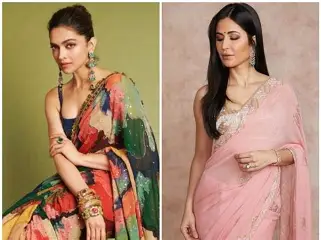
100+ Saree Names : What Is a Saree?
A saree is a traditional Indian garment made from a long piece of fabric that is wrapped and draped around the body. It is generally worn with a blouse and an underskirt or petticoat, although modern ready-to-wear and pre-draped sarees may use different constructions.
A traditional saree is usually around five to nine yards long, depending on the style and regional draping tradition. The fabric is wrapped around the waist, while the remaining section is arranged into pleats and placed over one shoulder as the pallu. However, the exact way a saree is worn can vary significantly from one region to another.
One of the most fascinating things about the saree is its versatility. The same basic garment can look completely different depending on its fabric, color, border, pallu, blouse design, jewellery, and draping style. A simple cotton saree can create an elegant everyday look, while a heavily embellished silk saree can create a grand bridal appearance.
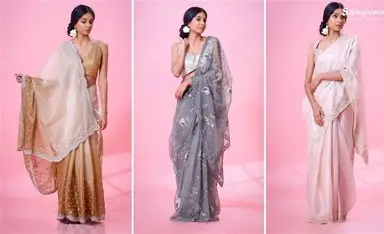
100+ Saree Names : The Cultural Importance of Sarees
Sarees are much more than clothing in India. They are closely connected with traditions, celebrations, family occasions, regional identities, and cultural heritage. In many Indian communities, sarees are an important part of weddings and religious festivals.
Different regions have developed their own saree-making traditions over centuries. Local weavers have passed techniques from one generation to another, creating distinctive sarees that reflect the history and culture of their communities.
For example, Kanjeevaram sarees are widely associated with South Indian weddings, while Banarasi sarees are popular choices for brides and festive occasions in North India. Kasavu sarees are strongly associated with Kerala’s traditional clothing, while Sambalpuri sarees represent the rich textile heritage of Odisha.
This regional diversity is one of the main reasons why there are so many unique saree names in India.
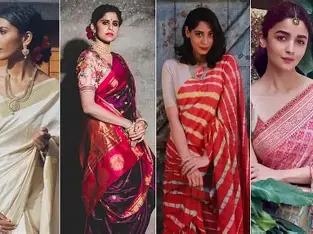
100+ Saree Names : Why Are There So Many Saree Names?
The name of a saree can be based on several factors. Understanding these factors can help you identify and differentiate between various saree types.
1. Place of Origin:
Many sarees are named after the city, town, or region where they originated or became famous. Banarasi, Chanderi, Kanjeevaram, and Paithani are examples of region-associated sarees.
2. Fabric:
Some saree names are connected with the material used to make them. Silk, cotton, linen, chiffon, georgette, and organza sarees are examples of fabric-based categories.
3. Weaving Technique:
Certain sarees are recognized because of specialized weaving techniques. Ikat, for example, is a distinctive resist-dyeing and weaving tradition found in sarees such as Pochampally Ikat and Sambalpuri styles.
4. Embroidery or Decoration:
Some sarees are identified by their embroidery or decorative techniques. Chikankari sarees, for example, feature the famous embroidery tradition associated with Lucknow.
5. Printing or Dyeing Technique:
Traditional dyeing and printing techniques have also given rise to distinctive saree styles. Bandhani is famous for its tie-and-dye technique, while other regional sarees use block printing or hand-painted designs.
100+ Saree Names : Traditional vs. Modern Sarees
Traditional sarees often focus on regional weaving techniques, heritage motifs, handloom fabrics, and classic designs. They are particularly popular for weddings, festivals, religious celebrations, and cultural events.
Modern sarees, on the other hand, combine traditional elements with contemporary fashion. Designers experiment with fabrics, cuts, draping techniques, embellishments, and blouse styles to create new looks.
Some popular modern saree styles include pre-draped sarees, ruffle sarees, belt sarees, ready-to-wear sarees, sequin sarees, concept sarees, and Indo-Western sarees.
This combination of tradition and modern fashion has helped the saree remain relevant among younger generations while preserving its cultural identity.
Sarees for Different Occasions
Another reason for the wide variety of saree names is that different sarees are suitable for different occasions.
For weddings, rich silk sarees such as Kanjeevaram, Banarasi, Paithani, and Patola are popular choices. Their detailed designs, traditional motifs, and luxurious appearance make them suitable for grand celebrations.
For festivals, women often choose sarees such as Bandhani, Chanderi, Sambalpuri, or other regional handloom styles. These sarees allow women to celebrate their cultural heritage while maintaining an elegant appearance.
For everyday wear, cotton, linen, Tant, Kota Doria, and lightweight handloom sarees are preferred because they are generally comfortable and easy to manage.
For parties and evening events, contemporary options such as organza, chiffon, georgette, satin, sequin, and pre-draped sarees can create a fashionable look.
The Role of Fabric in Choosing a Saree
Fabric plays an important role when selecting a saree. Different fabrics offer different levels of comfort, weight, shine, fall, and appearance.
Cotton sarees are popular for their breathable and comfortable feel, particularly during warmer weather. Silk sarees are known for their rich appearance and are commonly selected for weddings and festive occasions.
Chiffon and georgette sarees are lightweight and have a flowing appearance, making them popular for parties and evening events. Organza sarees have a crisp and elegant texture, while linen sarees are appreciated for their lightweight and sophisticated appearance.
The right fabric ultimately depends on the occasion, season, personal comfort, and desired appearance.
Sarees and Regional Indian Heritage
Every traditional saree tells a story about the people and region associated with it. The colors, motifs, weaving patterns, and techniques can reflect local traditions and artistic influences.
For example, traditional sarees from Gujarat and Rajasthan often feature vibrant colors and distinctive patterns. Sarees from Bengal are known for their elegant cotton and silk traditions, while South Indian silk sarees are celebrated for their rich colors and elaborate borders.
Odisha’s Sambalpuri sarees showcase traditional motifs and Ikat weaving, while Maharashtra’s Paithani sarees are recognized for their distinctive pallu designs and traditional motifs.
This regional diversity means that learning about saree names is also a way of learning about India’s textile history and cultural diversity.
100+ Saree Names : Why You Should Know Different Saree Names
Knowing different saree names is particularly useful when shopping online or visiting a saree store. Instead of simply searching for a “traditional saree,” you can look for a specific style according to your requirements.
For example, someone looking for a South Indian bridal saree can search for a Kanjeevaram saree. Someone interested in a lightweight saree for summer can explore cotton, linen, or Kota Doria options. A person looking for a festive saree can consider Bandhani, Chanderi, or Sambalpuri styles.
Knowing the name also helps you understand the saree’s characteristics, including its fabric, origin, weaving technique, and appropriate occasions.
100+ Saree Names : How to Choose the Right Saree
Choosing the perfect saree does not have to be difficult. Start by considering the occasion. A wedding may require a more traditional and luxurious saree, while a casual gathering may be better suited to a lightweight saree.
Next, consider the fabric and weather. Cotton and linen can be excellent choices for warmer weather, while silk and heavier fabrics can work well for formal occasions.
Color is another important factor. Bright colors can create a festive appearance, while neutral and pastel shades can provide a subtle and sophisticated look.
Finally, consider the blouse, jewellery, footwear, and draping style. These elements can completely transform the overall appearance of a saree.
Conclusion
The world of Indian sarees is incredibly diverse, with each saree name representing a unique combination of history, craftsmanship, fabric, region, and design. From traditional handwoven sarees to contemporary ready-to-wear styles, there are countless options available for women with different tastes and requirements.
Whether you prefer the luxurious appearance of a Banarasi saree, the traditional elegance of a Kanjeevaram, the colorful beauty of a Bandhani, the lightweight comfort of cotton, or the modern appeal of a pre-draped saree, understanding different saree types can help you make a better choice.
In the next sections of this guide, we will explore popular saree names in India, sarees based on fabric, regional sarees, wedding sarees, party-wear styles, and modern saree trends in greater detail.
for more information check our homepage .
