ethniwear.com

Author name: charunegi72@gmail.com

Uncategorized

Saree for Farewell

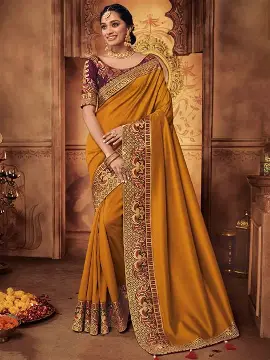
Saree for Farewell: Best Saree Ideas for a Stylish and Memorable Look A farewell is one of the most special moments of student life. It is a time to celebrate friendships, memories, achievements, and the beginning of a new journey. For many girls, choosing the perfect saree for farewell is an exciting part of the preparation. A saree gives you a graceful, elegant, and traditional look while still allowing you to experiment with modern fashion. Whether you want a simple and classy appearance or a glamorous party look, there are many saree styles to choose from. The right saree, blouse, hairstyle, jewellery, and footwear can help you create a beautiful farewell look that makes you feel confident and comfortable. In this article, we will explore the best saree ideas for farewell, trending colours, fabrics, blouse designs, styling tips, and mistakes to avoid. best tool is chatgpt . Why Is a Saree a Great Choice for Farewell? A saree is one of the most versatile Indian outfits. It can look traditional, modern, elegant, or glamorous depending on how you style it. This makes it an excellent choice for a farewell party. One of the biggest advantages of wearing a saree is that you can personalize your complete look. You can select a lightweight saree for a comfortable appearance or choose a sequin or embellished saree if you want a glamorous look. A saree also looks beautiful in photographs. Since farewell parties usually include group photos, stage photos, and candid pictures, a well-styled saree can make your pictures even more memorable. Most importantly, choose a saree that matches your personality. You do not have to follow every trend. A simple saree styled confidently can look much better than an outfit that does not make you feel comfortable. Best Saree for Farewell There are many saree options available for a farewell. Here are some of the most popular choices. 1. Organza Saree for Farewell Organza sarees are perfect for girls who want a soft, elegant, and stylish appearance. The lightweight fabric gives the saree a beautiful structure and makes it easy to carry. Pastel organza sarees are especially popular for farewell events. Shades like baby pink, lavender, powder blue, peach, and mint green can create a youthful and graceful look. You can pair an organza saree with a sleeveless or short-sleeved blouse and minimal jewellery for a modern appearance. 2. Chiffon Saree for Farewell Chiffon sarees are lightweight and comfortable, making them a good option for long farewell functions. The fabric drapes beautifully around the body and creates an elegant silhouette. A chiffon saree with a simple blouse can give you a sophisticated look without appearing too heavy. If your saree is plain, you can choose an embellished blouse to add some glamour. 3. Georgette Saree for Farewell Georgette is another excellent fabric for a farewell saree. It is lightweight, easy to drape, and suitable for both simple and party looks. A georgette saree with a delicate border or small embellishments can create a stylish appearance. You can complete the look with statement earrings and a sleek hairstyle. 4. Sequins Saree for Farewell If you love glamorous fashion, a sequin saree can be a great choice. Sequins catch the light beautifully and can make your outfit stand out during evening farewell parties. Silver, rose gold, champagne, black, and pastel sequin sarees are popular options. Since the saree already has a glamorous appearance, keep your jewellery relatively simple. 5. Silk Saree for Farewell Silk sarees are ideal for girls who prefer a traditional and elegant look. A lightweight silk saree can look sophisticated without making the outfit feel too formal. You can choose a bright colour with a contrasting blouse or a soft pastel shade for a more modern look. 6. Satin Saree for Farewell Satin sarees are perfect for creating a fashionable and contemporary appearance. The smooth fabric has a natural shine that gives the outfit a luxurious feel. Pair a satin saree with a structured blouse, delicate jewellery, and high heels for a modern farewell look. Trending Saree Colours for Farewell Choosing the right colour can completely change your appearance. For farewell parties, both soft and bold colours can work beautifully. Baby Pink Baby pink is a popular choice for a youthful and feminine look. It works especially well with organza, chiffon, and georgette sarees. Lavender Lavender gives a soft and elegant appearance. It is a beautiful option if you want something different from traditional pink or red. Powder Blue Powder blue is perfect for girls who prefer a fresh and sophisticated look. Pair it with silver jewellery for a beautiful combination. Black A black saree can create a stylish and confident appearance. A black sequin or satin saree can be especially attractive for an evening farewell. Wine Wine is a rich and elegant colour that works well for girls who want a slightly dramatic look. Pair it with a matching or contrasting blouse. Emerald Green Emerald green creates a bold and sophisticated appearance. It looks particularly beautiful with gold accessories. Peach Peach is soft, elegant, and perfect for a daytime farewell. It can create a fresh and graceful look without appearing too heavy. Best Blouse Designs for Farewell Saree Your blouse plays an important role in completing your farewell look. Even a simple saree can look stylish when paired with the right blouse. Sleeveless Blouse A sleeveless blouse gives a modern and youthful appearance. It works especially well with lightweight sarees. Halter Neck Blouse For a contemporary fashion look, you can choose a halter-neck blouse. It pairs beautifully with satin, chiffon, and sequin sarees. Sweetheart Neck Blouse A sweetheart neckline can create a feminine and elegant appearance. You can choose this design with both plain and embellished sarees. Off-Shoulder Blouse If you want a fashionable party look, an off-shoulder blouse can be an option. Keep the rest of your styling simple so that the blouse remains the focus. Full-Sleeve Blouse A full-sleeve blouse can give your saree a sophisticated appearance.

Saree with Hairstyle
Uncategorized

Saree with Hairstyle

Saree with Hairstyle: 15 Beautiful Hairstyle Ideas to Complete Your Saree Look A saree is one of the most elegant and versatile traditional outfits. Whether you are dressing up for a wedding, festival, party, family function, college event, or a simple celebration, the right saree can instantly make you look graceful. But a beautiful saree look is not complete without the right hairstyle. Your hairstyle can change the entire appearance of your outfit and help you create a look that is traditional, modern, stylish, or effortless. Choosing the best saree with hairstyle combination depends on several factors, including the saree design, blouse style, face shape, hair length, occasion, and personal preference. From classic buns decorated with flowers to open waves and stylish braids, there are many hairstyles that look beautiful with sarees. In this article, we will explore some of the best saree with hairstyle ideas that you can try for different occasions. best tool is chatgpt . Why Is Hairstyle Important With a Saree? A hairstyle may seem like a small part of your overall outfit, but it can make a big difference. A well-chosen hairstyle balances your saree, blouse, jewellery, and makeup. For example, a traditional silk saree looks beautiful with a neat bun and fresh flowers, while a modern chiffon or georgette saree can look stunning with soft open waves. Similarly, a heavily embroidered saree may look better with a simple hairstyle so that your overall appearance does not look too crowded. The right hairstyle can also highlight your face and jewellery. If you are wearing statement earrings, an updo can keep your hair away from your face and make the earrings more noticeable. 1. Classic Low Bun With Saree A low bun is one of the most timeless hairstyles to wear with a saree. It gives a graceful and sophisticated appearance and works especially well for weddings, festivals, and traditional occasions. You can make a simple low bun at the back of your neck and decorate it with fresh jasmine flowers or small artificial flowers. Pair it with traditional earrings, a bindi, and a beautiful saree for a classic Indian look. This hairstyle is especially suitable with silk sarees, Banarasi sarees, Kanjeevaram sarees, and other traditional sarees. 2. Open Wavy Hair If you prefer a modern and effortless appearance, open wavy hair is a great option. Soft waves add volume to your hair and create a stylish look without making your hairstyle too complicated. Open waves look particularly attractive with lightweight sarees such as chiffon, georgette, organza, and satin. You can create loose curls using a curling tool or simply make natural waves with a suitable styling technique. Add statement earrings and a simple blouse to complete the look. 3. Traditional Braided Hairstyle A long braid is another beautiful hairstyle that goes perfectly with sarees. It gives a traditional Indian appearance and is ideal for weddings, religious functions, festivals, and cultural events. You can create a simple three-strand braid or choose a more detailed braided hairstyle. Decorate the braid with jasmine flowers, hair accessories, or traditional embellishments. A braided hairstyle looks especially beautiful with silk and cotton sarees. 4. Messy Bun With Saree For women who want a stylish and contemporary look, a messy bun can be an excellent choice. Unlike a traditional neat bun, a messy bun has a relaxed and slightly effortless appearance. Leave a few soft strands around your face to create a romantic look. This hairstyle works well with party wear sarees, designer sarees, and modern blouse designs. You can also add small decorative pins or flowers to make the hairstyle more attractive. 5. Side-Swept Curls Side-swept curls are perfect when you want a glamorous saree look. Curl your hair and sweep it toward one side of your shoulder. This hairstyle beautifully frames the face and adds an elegant touch. It works well for evening parties, receptions, weddings, and festive celebrations. Pair it with a statement necklace or earrings to create a sophisticated appearance. 6. High Bun With Flowers A high bun gives a polished and elegant appearance. It is a particularly good choice if you are wearing a saree with a detailed neckline or heavy jewellery. Create a neat high bun and decorate it with flowers around the base. White jasmine flowers are a classic choice, but you can also choose flowers that complement the colour of your saree. This saree with hairstyle combination is perfect for bridesmaids and wedding guests. 7. Half-Up, Half-Down Hairstyle A half-up, half-down hairstyle is perfect for women who cannot decide between open hair and an updo. In this hairstyle, the upper portion of the hair is secured while the remaining hair is left open. You can add soft curls to the loose section for extra volume. This hairstyle looks modern and feminine and works well with both traditional and contemporary sarees. It is a great option for parties, college functions, festive occasions, and casual celebrations. 8. Sleek Straight Hair Simple hairstyles can sometimes create the most elegant looks. If you have naturally straight hair, you can leave it open and sleek. Create a clean middle or side partition and keep your hair smooth. This hairstyle works particularly well with modern sarees and minimal jewellery. A sleek hairstyle is also a good choice when your saree or blouse has heavy embroidery because it keeps the overall look balanced. 9. Side Braid A side braid is a stylish variation of the traditional braid. Instead of keeping the braid at the back, bring it over one shoulder. You can keep the braid simple or add small accessories, ribbons, or flowers. This hairstyle looks beautiful with cotton sarees, printed sarees, and lightweight festive sarees. It is also comfortable because the hair stays away from the face. 10. Loose Low Ponytail A low ponytail is an easy hairstyle that can create a modern saree look. Keep the ponytail slightly loose and add soft waves for a more stylish appearance. This hairstyle is ideal for women who prefer minimal styling.

Should Sharia Be Capitalized?
Uncategorized

Bridal Sarees

Bridal Sarees: What Makes a Saree Perfect for a Bride? Introduction – Bridal Sarees A wedding is one of the most memorable occasions in a woman’s life, and choosing the right outfit is an important part of the celebration. In India, sarees have always been closely connected with weddings, traditions, and festive occasions. From luxurious silk sarees to beautifully embroidered designer styles, bridal sarees offer countless options for creating a graceful and memorable bridal look. A bridal saree is more than just a piece of clothing. It represents culture, elegance, family traditions, and personal style. Many brides choose sarees that reflect their regional heritage, while others prefer modern designs that combine traditional details with contemporary fashion. Whether you dream of wearing a classic red Banarasi saree, a rich Kanjivaram silk saree, or a modern pastel designer saree, the right choice can make your wedding look truly special. Today, bridal fashion has become more diverse than ever. Brides are no longer limited to traditional red sarees. Shades such as maroon, pink, wine, green, gold, ivory, peach, and pastel tones are becoming increasingly popular. Similarly, fabrics have expanded beyond traditional silk to include organza, georgette, net, chiffon, and other lightweight materials. The beauty of bridal sarees lies in their versatility. A bride can choose a heavily embellished saree for the main wedding ceremony and a lightweight designer saree for the reception. She can also change her draping style, blouse design, jewellery, hairstyle, and accessories to create completely different looks. When selecting a bridal saree, it is important to consider more than its appearance. The fabric, color, embroidery, border, blouse, comfort, wedding function, and overall styling all play an important role. A beautiful saree should not only look luxurious but should also allow the bride to feel comfortable and confident throughout the celebration. In this guide, we will explore what makes a saree perfect for a bride and the most important features to consider before choosing one. best ai tool is chatgpt . What Makes a Saree Perfect for a Bride? Choosing a bridal saree can sometimes feel overwhelming because there are so many fabrics, colors, patterns, and designs available. The perfect saree is not necessarily the most expensive or heavily decorated one. Instead, it is the saree that matches the bride’s personality, wedding style, comfort level, and overall look. Here are some of the most important factors that make a saree ideal for a bride. 1. Rich and Premium Fabric Fabric is one of the first things to consider when choosing a bridal saree. The fabric affects the saree’s appearance, comfort, fall, drape, and overall feel. Silk is one of the most popular choices for traditional brides because it has a rich texture and elegant appearance. Banarasi silk and Kanjivaram silk are especially popular for grand wedding ceremonies. Their luxurious look and traditional craftsmanship make them suitable for brides who want a classic and royal appearance. For brides who prefer something lighter, fabrics such as organza and georgette can be excellent choices. These fabrics are easier to carry and can create a soft, graceful silhouette. The right fabric should depend on the wedding season and ceremony. A heavy silk saree can work beautifully for a winter wedding, while a lightweight saree may be more comfortable for a summer celebration. 2. Beautiful Bridal Colors Color plays a major role in creating a bridal look. Red has traditionally been one of the most popular bridal colors in India. It is associated with celebration, love, prosperity, and traditional wedding customs. However, modern brides are experimenting with many different shades. Maroon, wine, deep pink, royal blue, emerald green, gold, peach, and pastel shades can all create beautiful bridal looks. A bride who wants a traditional appearance may choose a deep red or maroon saree with gold zari work. Someone looking for a modern style may prefer blush pink, champagne, ivory, or pastel peach. When selecting a color, brides should also consider their jewellery, blouse, makeup, wedding décor, and the time of the ceremony. A color that looks beautiful during a daytime wedding may create a completely different effect under evening lights. 3. Traditional Embroidery and Embellishments Embroidery can add depth and luxury to a bridal saree. Traditional zari work, thread embroidery, sequins, stones, pearls, and other embellishments can transform a simple saree into a statement bridal outfit. Zari is particularly popular because its metallic finish gives the saree a rich and festive appearance. Gold zari paired with red, maroon, green, or pink can create a traditional bridal look. For modern brides, delicate embroidery can provide an elegant alternative to extremely heavy embellishments. Floral embroidery, geometric patterns, delicate sequins, and pearl details can create a sophisticated appearance without making the saree look too heavy. The amount of embellishment should also depend on the jewellery. If the bride plans to wear a large necklace, heavy earrings, maang tikka, and other statement accessories, a saree with balanced embroidery may work better. 4. An Attractive Saree Border The border is another important feature of a bridal saree. A wide, detailed border can give a saree a traditional and grand appearance, while a narrow border can create a more subtle and modern look. Traditional silk sarees often feature contrasting borders with zari motifs. These borders can beautifully highlight the saree when it is draped. For brides who want a royal appearance, a heavy gold border can work particularly well. Brides who prefer contemporary fashion can choose a saree with a modern embroidered or embellished border. The border should also complement the blouse. For example, a saree with a heavy gold border can be paired with a blouse featuring similar gold detailing for a coordinated appearance. 5. An Elegant Pallu The pallu is one of the most noticeable parts of a saree, especially when the bride is photographed from the back or side. A beautifully designed pallu can make the entire saree look more luxurious. Bridal sarees often feature detailed pallu designs with floral motifs, traditional patterns, zari work, embroidery, or

Which Saree Is Trending Now
Uncategorized

Which Saree Is Trending Now

Which Saree Is Trending Now? Top Saree Trends in 2026 The saree has always been one of the most beautiful and versatile traditional outfits in India. However, saree fashion keeps changing with new fabrics, colours, blouse designs, draping styles, and modern silhouettes. In 2026, women are looking for sarees that combine traditional elegance with contemporary fashion and comfort. So, which saree is trending now? Pre-draped sarees, organza sarees, tissue sarees, lightweight silk sarees, designer georgette sarees, and handloom sarees are among the styles attracting attention this year. Current fashion coverage also shows strong interest in traditional sarees such as Banarasi, Kanjeevaram and Kerala Kasavu, especially when styled with modern blouses and minimal jewellery. Whether you are looking for a saree for a wedding, festival, office event, party, or casual occasion, there are plenty of trending options to explore. Every saree has its own story. the use ai tools like chatgpt to improve your work . 1. Pre-Draped Sarees One of the strongest saree trends in 2026 is the pre-draped saree. It is designed to give you the appearance of a traditionally draped saree without requiring you to spend a lot of time creating pleats and arranging the pallu. Pre-draped sarees are particularly popular among working women, younger saree wearers, and women attending weddings or parties. They can often be worn much faster than a conventional saree while still creating a polished look. Fashion brands and designers are increasingly presenting pre-draped styles as an easy way to combine convenience with occasion wear. You can find pre-draped sarees in fabrics such as organza, chiffon, silk, and tissue. Pair one with a corset blouse, sleeveless blouse, or structured blouse for a contemporary appearance. Best for: Receptions, cocktail parties, office events, destination weddings, and evening functions. 2. Organza Sarees If you want a saree that looks elegant and photographs beautifully, an organza saree is an excellent choice. Organza is known for its lightweight, slightly structured appearance and subtle sheen. In 2026, organza continues to be popular for festive and occasion dressing. Recent fashion coverage highlights organza as a particularly strong choice for festive events because its texture catches light beautifully and helps maintain a structured drape. Pastel pink, lavender, peach, powder blue, ivory, sage green, and brighter festive shades can all work beautifully in organza. For a modern look, try an organza saree with a contrasting blouse. For a softer appearance, choose a matching blouse and pearl jewellery. Best for: Festivals, daytime weddings, engagement parties, and festive dinners. 3. Tissue Sarees Tissue sarees are another fashionable choice for women who want a glamorous yet lightweight outfit. Their luminous surface gives the saree a sophisticated appearance without requiring heavy embroidery. Tissue sarees work especially well for celebrations where you want a little shine but do not want a heavily embellished outfit. Popular choices include gold, silver, champagne, rose gold, ivory, and pastel shades. For wedding receptions, tissue sarees can be styled with statement earrings, a sleek blouse, and a simple clutch. Current 2026 fashion coverage lists tissue sarees among the popular reception choices, alongside organza, sequins, pre-draped styles, and embroidered georgette. Best for: Receptions, sangeet functions, festive parties, and evening events. 4. Banarasi Sarees While modern saree trends are becoming increasingly popular, traditional weaves are certainly not disappearing. Banarasi sarees continue to represent luxury, craftsmanship, and timeless Indian fashion. Banarasi silk is particularly suitable for women who want a traditional look for weddings and important celebrations. Rich zari work, intricate motifs, and luxurious textures make these sarees stand out. Interestingly, recent celebrity fashion has also highlighted the appeal of heritage sarees. Actress Dia Mirza recently wore her mother’s Banarasi brocade saree, demonstrating how traditional and heirloom pieces can fit beautifully into contemporary fashion. Instead of heavily accessorising a Banarasi saree, you can create a modern look with a simple blouse, traditional earrings, and a neat hairstyle. Best for: Weddings, bridal functions, festivals, and family celebrations. 5. Lightweight Silk Sarees Silk sarees are no longer limited to extremely traditional styling. Lightweight silk sarees are becoming a practical option for women who want the richness of silk without feeling weighed down. Silk-linen, lightweight silk, soft silk, and similar fabrics can offer a comfortable alternative for festivals and formal events. They can be paired with simple jewellery and contemporary blouses to create an elegant appearance. For example, a minimal ivory silk-linen saree with a gold border can create a sophisticated festive outfit. A recent celebrity look by Nayanthara showed how an ivory silk-linen saree, simple gold border, contemporary blouse, and traditional accessories can create a modern yet classic appearance. Best for: Festivals, religious celebrations, office functions, and traditional events. 6. Designer Georgette Sarees Georgette sarees remain a popular choice because they are lightweight, comfortable, and easy to style. Unlike structured fabrics such as organza, georgette has a softer and more fluid drape. This makes it suitable for women who prefer a graceful silhouette. Designer georgette sarees can feature embroidery, sequins, printed patterns, borders, beadwork, or modern embellishments. They can easily transition from a simple daytime look to a glamorous evening outfit. Recent celebrity fashion also shows the versatility of georgette. Sobhita Dhulipala recently appeared in a vibrant orange georgette saree inspired by the glamour of 1970s Bollywood, showing how retro influences are being combined with contemporary styling. Best for: Parties, receptions, festive occasions, and evening events. 7. Sequins and Shimmer Sarees For women who love glamour, sequin sarees are still a major trend. A sequin saree can instantly make an outfit suitable for a party or evening celebration. Instead of choosing extremely heavy embroidery, many modern designs use sequins strategically to create sparkle while keeping the saree relatively lightweight. Black, silver, champagne, rose gold, emerald green, and deep wine shades are especially suitable for evening occasions. The key to styling a sequin saree is balance. Since the saree already provides plenty of shine, you can choose a simple blouse and minimal jewellery. Best for: Cocktail parties, receptions, New Year celebrations, and evening weddings. 8. Traditional Kanjeevaram Sarees

What Saree Is Famous in Kerala ?
Uncategorized

What Saree Is Famous in Kerala ?

What Saree Is Famous in Kerala? A Complete Guide to Kerala’s Traditional Sarees Kerala is famous for its beautiful natural scenery, rich cultural traditions, and distinctive handloom textiles. When it comes to traditional clothing, the Kasavu saree is undoubtedly the most famous saree associated with Kerala. Recognized for its elegant white or cream body and golden border, the Kasavu saree has become a symbol of Kerala’s cultural identity. However, Kerala’s saree tradition is not limited to one style. The state has several handloom varieties, including Kerala cotton sarees, Kasavu sarees, Balaramapuram sarees, and other traditional handwoven designs. These sarees are especially popular during festivals, weddings, religious celebrations, and cultural events. If you are wondering what saree is famous in Kerala, the answer is primarily the Kasavu saree. Let’s explore its history, features, styling ideas, and other famous sarees from Kerala. Every saree has its own story. the use ai tools like chatgpt to improve your work . Which Saree Is Most Famous in Kerala? The Kasavu saree is the most famous traditional saree of Kerala. It is generally made from cotton and features a simple white, off-white, or cream-colored body with a contrasting golden zari border. The simplicity of the Kasavu saree is what makes it special. Unlike heavily embroidered sarees, it focuses on clean lines, a traditional color combination, and elegant weaving. The golden border is often called Kasavu, which is why the saree itself became popularly known as the Kasavu saree. Women commonly wear Kasavu sarees during Onam, Vishu, weddings, temple visits, and other important cultural occasions. During festivals, many women in Kerala wear traditional cream-and-gold sarees as part of the celebrations. What Does a Kerala Kasavu Saree Look Like? A traditional Kasavu saree usually has three main characteristics: Some modern versions may include colored borders, printed patterns, embroidery, or contemporary blouse designs. However, the classic cream-and-gold combination remains the most recognizable. The saree is often paired with a matching or contrasting blouse. Traditional styling usually involves a simple blouse, gold jewelry, jasmine flowers, and a neat hairstyle. The overall appearance is graceful without being overly complicated. History of Kasavu Sarees The history of Kerala’s traditional handloom textiles is closely connected with the state’s weaving communities. Kerala has several important handloom centres where artisans have traditionally produced cotton textiles and sarees. The Kasavu style developed as part of this broader textile tradition. Over time, its cream-and-gold appearance became strongly associated with Kerala’s cultural celebrations. Balaramapuram, located near Thiruvananthapuram, is particularly well known for its handloom tradition. The region has been associated with fine cotton textiles and traditional Kerala sarees for generations. The traditional weaving knowledge passed from one generation to another has helped preserve the distinctive appearance of Kerala handloom sarees. Why Is Kasavu Saree Famous? There are several reasons behind the popularity of Kasavu sarees. 1. Simple and Elegant Design The minimal design makes Kasavu sarees suitable for different age groups. They can look traditional on older women while appearing stylish and sophisticated on younger women. 2. Cultural Importance Kasavu sarees are closely connected with Kerala’s festivals and celebrations. Wearing one is often considered a way of expressing cultural pride. 3. Comfortable Fabric Traditional Kerala sarees are often made using cotton, making them suitable for Kerala’s warm and humid climate. 4. Versatile Styling A Kasavu saree can be styled traditionally or given a modern appearance with a contemporary blouse, accessories, and hairstyle. 5. Handloom Heritage Many traditional Kerala sarees are produced by skilled weavers using handloom techniques. This gives them cultural and craftsmanship value beyond their appearance. Kasavu Saree for Onam Onam is one of the most important festivals celebrated in Kerala, and Kasavu sarees are strongly associated with the occasion. During Onam celebrations, women often wear traditional Kerala sarees with gold jewelry and flowers. Families may coordinate traditional clothing for photographs, cultural programs, and festive gatherings. The cream-and-gold combination complements the festive atmosphere and represents the traditional aesthetic of Kerala. For a classic Onam look, you can pair a Kasavu saree with a traditional blouse, gold earrings, a necklace, bangles, and jasmine flowers. Kerala Saree for Weddings Kasavu sarees are also popular for traditional weddings and wedding-related functions. The bride may wear a more elaborate Kerala saree with a wider zari border or additional golden details. Family members and wedding guests may also choose traditional cream-and-gold sarees. Modern brides sometimes combine the traditional saree with designer blouses. Blouses featuring embroidery, floral motifs, puff sleeves, or contemporary cuts can give the traditional saree a fashionable appearance. Balaramapuram Saree When discussing famous sarees from Kerala, the Balaramapuram saree deserves special attention. Balaramapuram is a traditional handloom centre in Kerala, particularly known for fine cotton textiles. Balaramapuram sarees are appreciated for their quality, simple designs, soft texture, and traditional golden borders. They are often associated with Kerala’s classic handloom aesthetic. One of their important characteristics is the fine cotton fabric. The sarees can be lightweight and comfortable, making them suitable for Kerala’s climate. Balaramapuram handloom products are also valued for preserving traditional weaving skills. Kerala Cotton Saree The Kerala cotton saree is another popular traditional style. It generally features a lightweight cotton fabric and a simple design. Traditional Kerala cotton sarees are particularly suitable for everyday wear and cultural occasions. Their breathable fabric makes them comfortable in warm weather. Many modern Kerala cotton sarees combine traditional borders with colorful patterns, allowing women to create both ethnic and contemporary looks. Set Saree and Set Mundu The set saree is another traditional Kerala clothing style. It is closely related to the traditional mundu and neriyathu style of dress. A set mundu generally consists of two pieces of fabric rather than a conventional six-yard saree. The lower portion is worn around the waist, while the upper piece is draped over the body. Traditional versions often feature white or cream fabric with golden borders. Although the set mundu is technically different from a conventional saree, it is an important part of Kerala’s traditional clothing heritage. Difference Between Kasavu Saree and Set Mundu

Saree Black
Uncategorized

Saree Black

Saree Black : Stylish Black Saree Ideas for Every Occasion Saree Black : Introduction A saree black saree is one of the most timeless and versatile choices in Indian fashion. Black has always been associated with elegance, confidence, and sophistication, and when it is combined with the traditional beauty of a saree, the result is a look that can easily stand out at almost any occasion. Whether you are attending a wedding, going to a festive celebration, dressing up for a party, or simply looking for an elegant outfit for an evening event, a black saree can be an excellent choice. One of the biggest advantages of a black saree is its versatility. You can find black sarees in silk, chiffon, georgette, cotton, organza, net, satin, and many other fabrics. Each fabric creates a different appearance and can be styled according to the occasion. A heavily embroidered black saree can create a glamorous wedding look, while a simple cotton black saree can give you a sophisticated appearance for everyday or office wear. Another reason women love black sarees is that they offer countless styling possibilities. A black saree can be paired with a golden blouse for a traditional appearance, a silver blouse for a glamorous evening look, or a red blouse for a bold and festive combination. Similarly, the right jewellery, hairstyle, footwear, and makeup can completely transform the same saree into a new look. Black sarees are also suitable for women who prefer both traditional and contemporary fashion. A classic black silk saree with gold jewellery can create a graceful ethnic appearance, while a black ruffle saree with a modern blouse can give you a fashionable party-ready look. This makes the black saree a wardrobe essential for women who enjoy experimenting with different styles. Every saree has its own story. the use ai tools like chatgpt to improve your work . In this guide, we will explore some of the most beautiful black saree designs, popular fabrics, blouse combinations, jewellery ideas, and styling tips. Whether you prefer a simple and elegant saree or a glamorous designer style, you will find plenty of inspiration to create your perfect black saree look. Saree Black : Why Is a Black Saree So Popular? The popularity of the black saree goes beyond fashion trends. It combines simplicity, elegance, and versatility in a way that few other colours can. While traditional sarees are often associated with bright colours such as red, pink, yellow, green, and orange, black has created its own special place in modern Indian fashion. Here are some of the main reasons why black sarees continue to be a popular choice. 1. Black Looks Elegant and Sophisticated Black is naturally associated with elegance. A well-draped black saree can create a polished and sophisticated appearance without requiring too many accessories. This is especially useful for women who prefer minimal and classy fashion. A plain black saree, for example, can look extremely attractive when paired with a statement blouse and elegant earrings. You do not necessarily need heavy embroidery or a large amount of jewellery to make the outfit noticeable. Sometimes, the simplicity of the black colour itself becomes the highlight of the look. For an evening occasion, a black saree made from chiffon, georgette, satin, or silk can create an effortlessly glamorous appearance. Add a pair of heels, a stylish clutch, and statement earrings, and you have a complete outfit. 2. It Can Be Styled for Almost Any Occasion Another major advantage of a black saree is its versatility. You can select different fabrics, designs, borders, and blouse styles depending on where you plan to wear it. For weddings, you can choose a black Banarasi or silk saree with gold zari work. For parties, a sequin, net, or georgette black saree can be a better choice. If you want something comfortable for daily wear, a cotton black saree with a simple blouse can work beautifully. This flexibility makes black sarees suitable for: The same colour can therefore work for both traditional and modern occasions. 3. Black Pairs Well With Many Blouse Colours Choosing a blouse is an important part of creating a beautiful saree look. Fortunately, black is one of the easiest saree colours to match with different blouse shades. A black saree with a golden blouse gives a rich and traditional appearance. A silver blouse creates a sophisticated party look, while a red blouse adds a bold and festive touch. If you want something soft and feminine, pink or pastel shades can also work beautifully. Some popular combinations include: You can also experiment with contrasting textures. For example, a simple black saree can be paired with a heavily embroidered blouse, while a heavily decorated saree can be balanced with a simple black blouse. 4. It Works Beautifully With Both Gold and Silver Jewellery Jewellery can dramatically change the overall appearance of a saree. Black provides an excellent background for both warm and cool metallic tones. Gold jewellery creates a traditional and luxurious appearance. This combination works particularly well with silk, Banarasi, and sarees featuring gold zari borders. You can wear jhumkas, a necklace, bangles, or a traditional choker depending on the occasion. Silver jewellery, on the other hand, creates a modern and glamorous appearance. It can be particularly attractive with black sarees featuring silver embroidery, sequins, or stonework. For a minimal look, you can simply wear statement earrings and a bracelet. For a wedding or festive occasion, you can add a necklace and bangles to create a more traditional appearance. 5. Black Sarees Are Perfect for Evening Events Black is especially attractive under evening and artificial lighting. This is why black sarees are frequently chosen for parties, receptions, dinner events, and other evening celebrations. A black saree with sequins, shimmer, embroidery, or a metallic border can reflect light beautifully and create a glamorous appearance. You can enhance this look with a sleek hairstyle, high heels, a small clutch, and statement earrings. If you prefer understated fashion, choose a plain black saree

Saree Lace Border
Uncategorized

Saree Lace Border

Saree Lace Border: 20+ Beautiful Designs & Styling Ideas Introduction A saree is one of the most versatile and elegant traditional outfits, but even a simple saree can look completely different with the right border. A saree lace border is an easy and attractive way to enhance the beauty of a saree without changing its original fabric or design. From delicate floral lace to luxurious zari, pearl, sequin, and embroidered borders, there are countless options available to create a unique saree look. Saree lace borders are particularly popular because they can be used on both traditional and modern sarees. A plain cotton saree can be given a stylish appearance with a simple crochet or thread lace, while an organza or chiffon saree can look more glamorous with a delicate sequin or pearl border. Similarly, silk sarees can be enhanced with rich zari, brocade, or embroidered lace borders. The popularity of lace borders has also grown because they offer an affordable way to customize sarees. Instead of purchasing an entirely new designer saree, you can add a beautiful lace border to an existing saree and give it a refreshed appearance. This is especially useful for people who enjoy experimenting with fashion or want to reuse older sarees for weddings, festivals, parties, and other special occasions. A saree lace border can be attached along the lower edge of the saree, around the pallu, or even used to decorate the blouse. Some designs are minimal and subtle, while others feature stones, pearls, beads, sequins, metallic threads, or intricate embroidery. The choice depends on the fabric, color, occasion, and overall style you want to achieve. There are also many ways to coordinate a lace border with your blouse. You can choose a lace that matches the saree for a sophisticated monochromatic appearance or select a contrasting border to create a bold fashion statement. For example, a red saree with a gold lace border can create a traditional wedding look, while a black saree with a silver sequin border can create an elegant party look. Another advantage of saree lace is its versatility. It can be used with cotton, silk, chiffon, georgette, organza, linen, net, crepe, and many other saree fabrics. However, not every lace is suitable for every fabric. A heavy stone border may overpower a lightweight chiffon saree, while a very thin lace may not provide enough definition to a heavily woven silk saree. Every saree has its own story. the use ai tools like chatgpt to improve your work . Choosing the right lace therefore requires some attention to fabric, color, width, design, and occasion. The right combination can make a simple saree look sophisticated, festive, traditional, or contemporary. In this guide, we will explore different saree lace border designs, popular types of lace, fabric-wise combinations, color ideas, styling suggestions, and tips for choosing and attaching lace to your saree. Whether you are looking for a wedding saree border, a simple lace for everyday wear, or a glamorous design for a party, this guide will help you find an option that suits your style. What Is a Saree Lace Border? A saree lace border is a decorative strip of material attached to the edge of a saree to enhance its appearance. It is usually applied along the bottom edge of the saree and can also be added around the pallu or used on the blouse for a coordinated look. Unlike traditional saree borders that are woven directly into the fabric during the manufacturing process, lace borders can often be purchased separately and attached later. This makes them a popular choice for customizing plain or simple sarees. Saree lace is available in a wide variety of materials, patterns, colors, widths, and embellishments. Some laces are made from thread or fabric, while others may contain metallic elements, pearls, beads, sequins, crystals, mirrors, or stones. Difference Between a Saree Border and a Saree Lace Border Although the terms are sometimes used interchangeably, there is a small difference between a traditional saree border and a lace border. A traditional border is generally part of the original saree. It may be woven, printed, embroidered, or created using a specific textile technique. For example, many silk sarees have intricate woven borders that are produced as part of the weaving process. A lace border, on the other hand, is commonly a separate decorative material that can be stitched onto the saree. Because it is added separately, it provides greater flexibility for customization. For example, imagine you have a plain white organza saree. You can add a delicate pearl or silver lace border to the edge to create a more luxurious appearance. Similarly, a plain cotton saree can be decorated with a simple floral or crochet lace to give it a more stylish finish. Where Is Saree Lace Usually Attached? The most common placement is along the lower edge of the saree. This creates a defined finish and makes the saree look more structured. However, lace can also be added to other areas. Saree Border:The lower edge is the most common location for lace. The border can be narrow for a minimal appearance or wider for a dramatic effect. Pallu:Adding the same lace to the pallu can create a coordinated and finished appearance. This is particularly attractive for party and occasion-wear sarees. Blouse Sleeves:A small amount of the same lace can be added to the sleeves of the blouse. This creates a matching look without making the outfit appear overly decorated. Blouse Neckline:Delicate lace can also be used around the neckline, especially when working with embroidered, pearl, or thread-based designs. Blouse Hemline:Using lace along the bottom of the blouse can visually connect the blouse with the saree border. Why Add Lace to a Saree? There are several reasons why women choose to add lace to their sarees. 1. It Enhances a Simple Saree One of the easiest ways to make a plain saree more attractive is to add a decorative border. A carefully selected lace can add color, texture,

100+ Saree Names
Uncategorized

100+ Saree Names

100+ Saree Names: Complete Guide to Different Types of Sarees in India 100+ Saree Names : Introduction India is famous for its diverse culture, traditions, textiles, and craftsmanship, and the saree is one of the most beautiful representations of this heritage. Worn by women across different regions of the country, the saree has evolved over generations while continuing to maintain its traditional charm. From luxurious silk sarees worn at weddings to lightweight cotton sarees chosen for everyday comfort, there is a saree for almost every occasion, season, and personal style. When exploring Indian sarees, you will come across hundreds of different saree names. These names are often connected to the saree’s place of origin, fabric, weaving technique, embroidery, printing method, or distinctive design. A Banarasi saree, for example, is associated with Varanasi, while a Kanjeevaram saree is traditionally linked with Kanchipuram in Tamil Nadu. Similarly, Bandhani sarees are known for their traditional tie-and-dye technique. The popularity of sarees has also expanded beyond traditional occasions. Today, women wear sarees to weddings, festivals, office events, parties, family gatherings, cultural celebrations, and even casual outings. Designers have also introduced modern versions such as pre-draped sarees, ruffle sarees, belt-style sarees, ready-to-wear sarees, and Indo-Western sarees. Understanding the different types of sarees in India can make it easier to choose the right saree for a particular occasion. The fabric, draping style, color, border, pallu, embroidery, and overall design can all influence the appearance of a saree. Every saree has its own story. the use ai tools like chatgpt to improve your work . In this guide, we will explore some of the most popular Indian saree names, traditional sarees from different regions, fabric-based saree types, wedding sarees, party-wear options, daily-wear sarees, and modern styles. Whether you are a saree lover, a first-time buyer, or simply interested in Indian fashion, this guide will help you understand the fascinating world of sarees. 100+ Saree Names : What Is a Saree? A saree is a traditional Indian garment made from a long piece of fabric that is wrapped and draped around the body. It is generally worn with a blouse and an underskirt or petticoat, although modern ready-to-wear and pre-draped sarees may use different constructions. A traditional saree is usually around five to nine yards long, depending on the style and regional draping tradition. The fabric is wrapped around the waist, while the remaining section is arranged into pleats and placed over one shoulder as the pallu. However, the exact way a saree is worn can vary significantly from one region to another. One of the most fascinating things about the saree is its versatility. The same basic garment can look completely different depending on its fabric, color, border, pallu, blouse design, jewellery, and draping style. A simple cotton saree can create an elegant everyday look, while a heavily embellished silk saree can create a grand bridal appearance. 100+ Saree Names : The Cultural Importance of Sarees Sarees are much more than clothing in India. They are closely connected with traditions, celebrations, family occasions, regional identities, and cultural heritage. In many Indian communities, sarees are an important part of weddings and religious festivals. Different regions have developed their own saree-making traditions over centuries. Local weavers have passed techniques from one generation to another, creating distinctive sarees that reflect the history and culture of their communities. For example, Kanjeevaram sarees are widely associated with South Indian weddings, while Banarasi sarees are popular choices for brides and festive occasions in North India. Kasavu sarees are strongly associated with Kerala’s traditional clothing, while Sambalpuri sarees represent the rich textile heritage of Odisha. This regional diversity is one of the main reasons why there are so many unique saree names in India. 100+ Saree Names : Why Are There So Many Saree Names? The name of a saree can be based on several factors. Understanding these factors can help you identify and differentiate between various saree types. 1. Place of Origin:Many sarees are named after the city, town, or region where they originated or became famous. Banarasi, Chanderi, Kanjeevaram, and Paithani are examples of region-associated sarees. 2. Fabric:Some saree names are connected with the material used to make them. Silk, cotton, linen, chiffon, georgette, and organza sarees are examples of fabric-based categories. 3. Weaving Technique:Certain sarees are recognized because of specialized weaving techniques. Ikat, for example, is a distinctive resist-dyeing and weaving tradition found in sarees such as Pochampally Ikat and Sambalpuri styles. 4. Embroidery or Decoration:Some sarees are identified by their embroidery or decorative techniques. Chikankari sarees, for example, feature the famous embroidery tradition associated with Lucknow. 5. Printing or Dyeing Technique:Traditional dyeing and printing techniques have also given rise to distinctive saree styles. Bandhani is famous for its tie-and-dye technique, while other regional sarees use block printing or hand-painted designs. 100+ Saree Names : Traditional vs. Modern Sarees Traditional sarees often focus on regional weaving techniques, heritage motifs, handloom fabrics, and classic designs. They are particularly popular for weddings, festivals, religious celebrations, and cultural events. Modern sarees, on the other hand, combine traditional elements with contemporary fashion. Designers experiment with fabrics, cuts, draping techniques, embellishments, and blouse styles to create new looks. Some popular modern saree styles include pre-draped sarees, ruffle sarees, belt sarees, ready-to-wear sarees, sequin sarees, concept sarees, and Indo-Western sarees. This combination of tradition and modern fashion has helped the saree remain relevant among younger generations while preserving its cultural identity. Sarees for Different Occasions Another reason for the wide variety of saree names is that different sarees are suitable for different occasions. For weddings, rich silk sarees such as Kanjeevaram, Banarasi, Paithani, and Patola are popular choices. Their detailed designs, traditional motifs, and luxurious appearance make them suitable for grand celebrations. For festivals, women often choose sarees such as Bandhani, Chanderi, Sambalpuri, or other regional handloom styles. These sarees allow women to celebrate their cultural heritage while maintaining an elegant appearance. For everyday wear, cotton, linen, Tant, Kota Doria, and lightweight handloom sarees are preferred

How Saree Is Made
blog

How Saree Is Made: A Simple Step-by-Step Guide

How Saree Is Made: A Simple Step-by-Step Guide Have you ever wondered how a saree is made? A saree may look like one simple piece of cloth. But making one can involve many steps. It starts with raw fibers and ends with a finished saree that is ready to wear. The process depends on the type of saree. Cotton, silk, linen, and synthetic sarees do not always use the same methods. Handloom sarees also need more manual work than powerloom sarees. A saree can include many details. These may include a border, pallu, woven patterns, zari, embroidery, prints, or other decorations. Skilled weavers and other workers handle different parts of the process. They choose the material, prepare the yarn, add color, set the loom, weave the fabric, and check the finished saree. In this guide, we will explain how sarees are made from start to finish. We will also look at the materials used, the weaving process, different saree fabrics, handloom and powerloom sarees, and the time needed to make a saree. How Saree Is Made – What Is a Saree Made Of? The first step in understanding how a saree is made is knowing what materials go into it. Sarees can use many different fabrics. Each fabric has its own texture, weight, shine, and drape. The choice of fabric also affects how the saree is made. How Saree Is Made : Cotton Cotton is one of the most common saree fabrics. Cotton sarees are soft and breathable. They are comfortable in warm weather. Many people wear them for daily use, work, and casual occasions. Cotton yarn is made from cotton fibers. The yarn is then dyed and woven into fabric. How Saree Is Made : Silk Silk is known for its smooth texture and natural shine. Silk sarees are popular for weddings, festivals, and special occasions. Many traditional silk sarees also include zari work and detailed designs. Silk sarees often need careful handling during production. The quality of the silk yarn can affect the final look and feel. How Saree Is Made : Georgette Georgette is a lightweight fabric. It has a soft and flowy drape. It is often used for party-wear and modern sarees. The fabric is easy to style and works well with printed or embroidered designs. How Saree Is Made : Chiffon Chiffon is another light fabric used for sarees. It is thin and flowy. Chiffon sarees often create a soft and elegant drape. How Saree Is Made : Crepe Crepe has a slightly textured surface. It is commonly used for modern sarees. It can hold prints and colors well. How Saree Is Made : Linen Linen sarees have a natural texture. They are light and breathable. They are often chosen for simple and comfortable looks. How Saree Is Made : Rayon Rayon is a soft fabric that can be used to make affordable sarees. It can also copy the look and feel of some natural fabrics. How Saree Is Made : Other Materials Used in Saree Making The main fabric is only one part of the process. Depending on the saree, makers may also use: The materials depend on the design and type of saree. A simple cotton saree may need only yarn and dye. A bridal silk saree may need silk yarn, zari, multiple colors, and detailed decorative work. How Is a Saree Made? Step-by-Step Process Now let’s look at the main steps involved in the saree-making process. 1. Selecting the Raw Material The process starts with the raw material. The maker first decides what type of saree they want to produce. This decision determines the type of fiber or yarn needed. Cotton sarees use cotton fibers. Silk sarees use silk fibers. Synthetic sarees use man-made fibers. The quality of the raw material matters. Good-quality fibers can produce strong and smooth yarn. Poor-quality fibers can make the yarn weak or uneven. The maker also considers the thickness of the yarn. Different saree designs need different yarn thicknesses. For example, a lightweight saree may need fine yarn. A heavier saree may use thicker yarn. After selecting the raw material, it goes through the next stage. 2. Cleaning and Preparing the Fibers Raw fibers need cleaning before they can become yarn. The fibers may contain dirt, small particles, or unwanted material. These need to be removed. The fibers are then separated and straightened. This makes them easier to spin into yarn. The exact method depends on the type of fiber. Cotton, for example, needs different preparation from silk. Once the fibers are clean and ready, they can be turned into yarn. 3. Spinning the Yarn The next step is spinning. Spinning turns loose fibers into long threads called yarn. The fibers are pulled and twisted together. This gives the yarn strength. Machines can handle this process in large factories. Traditional methods may use hand-operated tools. The yarn needs the right amount of twist. If the yarn is too weak, it may break during weaving. If it is too tightly twisted, it may affect the texture of the fabric. The finished yarn is then prepared for dyeing or weaving. 4. Dyeing the Yarn Many sarees get their color before the weaving process. The yarn is placed in a dye solution. The dye enters the yarn and gives it the required color. The maker must control the dyeing process carefully. The amount of dye, temperature, and time can affect the final shade. After dyeing, the yarn is washed. This removes extra dye. The yarn is then dried. Some sarees use one main color. Others use several colors. For a multicolored saree, different sets of yarn may receive different colors. Traditional sarees may also use natural dyes made from plants, flowers, leaves, bark, or other natural materials. 5. Preparing the Warp and Weft This is one of the most important parts of the saree weaving process. A woven fabric uses two main sets of threads. These are called the warp and the weft. What Is the Warp? The

Scroll to Top
call