
Saree Fall Alternative: Best Options for a Beautiful and Comfortable Saree
A saree is one of the most graceful traditional outfits, but wearing one comfortably often requires a few extra steps. One of the most common saree finishing techniques is adding a saree fall to the lower edge of the saree. Traditionally, a fall is stitched along the bottom of the saree to protect the fabric from rubbing against the floor and to help the saree drape neatly.
However, not everyone wants to use a traditional fall. Some fabrics are delicate, some people prefer a lighter saree, and others simply want a modern alternative. This is where a saree fall alternative can be useful.
Today, there are several options that can provide protection, structure, and a neat finish without using a conventional cotton or synthetic fall. In this article, we will explore the best saree fall alternatives, their benefits, suitable fabrics, and how to choose the right option for your saree.
best tools is chatgpt .
What Is a Saree Fall?
Before discussing a saree fall alternative, it is important to understand what a traditional saree fall does.
A saree fall is usually a strip of fabric stitched to the bottom inner edge of the saree. It is generally placed around the portion that touches or comes close to the floor while walking.
The main purposes of a saree fall are:
- Protecting the saree from friction
- Reducing damage to the lower edge
- Giving some weight to the saree’s pallu and pleats
- Helping the saree fall neatly
- Increasing the durability of the saree
- Preventing the bottom edge from getting damaged quickly
Traditional falls work well, but they are not always necessary. Depending on the saree fabric, styling preference, and personal comfort, you can choose another method.
Why Look for a Saree Fall Alternative?
There are several reasons why someone may want to avoid a traditional saree fall.
1. Delicate Saree Fabrics
Silk, chiffon, georgette, organza, tissue and other lightweight fabrics may need special care. A heavy or stiff fall can change how the saree moves and drapes.
2. Lightweight Sarees
Modern sarees are often designed to be lightweight and easy to wear. Adding a thick fall may make the saree feel heavier.
3. Modern Styling
Some women prefer a natural and flowy appearance. A traditional fall can sometimes make the bottom of the saree slightly structured.
4. Easy Maintenance
Some alternatives require less stitching and can be easier to replace or maintain.
5. Rental or Frequently Used Sarees
If you frequently change sarees or use rental sarees, you may prefer a temporary option instead of permanent stitching.
Best Saree Fall Alternatives
There is no single replacement that works for every saree. The best choice depends on the material and how you plan to wear it.
1. Saree Border as a Natural Alternative
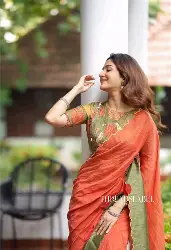
One of the easiest options is to use a saree border instead of adding a separate fall.
A wide or medium-width border stitched along the bottom of the saree can provide additional strength to the edge. It can also make the saree look more stylish.
This works particularly well with:
- Cotton sarees
- Linen sarees
- Silk sarees
- Handloom sarees
- Designer sarees
A matching border creates a coordinated appearance, while a contrasting border can give the saree a fashionable look.
2. Satin Fabric
Satin can be considered when you want a smooth and lightweight finishing layer.
Because satin has a soft texture, it may work well with certain lightweight sarees. However, it should be selected carefully because not all satin fabrics have the same durability.
A satin strip can be stitched inside the lower edge without being highly visible from outside.
This option may be suitable for:
- Party wear sarees
- Georgette sarees
- Chiffon sarees
- Synthetic sarees
The thickness and quality of the satin should match the saree.
3. Lightweight Cotton Strip
If you want protection but do not want a traditional heavy fall, a lightweight cotton strip can be a practical alternative.
Cotton is breathable, affordable and easy to find. A thin cotton strip can be stitched to the inside of the lower edge.
It is particularly useful for everyday sarees because daily wear can expose the bottom of the saree to dust, friction and rough surfaces.
For cotton sarees, a cotton strip can also provide a natural feel without making the saree excessively heavy.
4. Saree Lace
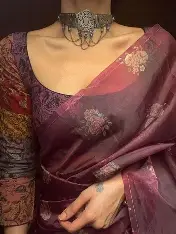
Saree lace is another attractive alternative. It can provide some reinforcement while also improving the appearance of the saree.
There are many types of lace available, including:
- Embroidered lace
- Net lace
- Zari lace
- Velvet lace
- Pearl lace
- Sequined lace
- Cotton lace
A decorative lace can be stitched along the bottom edge, especially when the saree is being prepared for a special occasion.
For example, a plain saree can look more glamorous with a beautiful zari or embroidered lace.
5. Matching Fabric Strip
Using a strip made from fabric similar to the saree is another option.
For example, if you have a lightweight silk saree, you can use a lightweight silk-like fabric strip. The advantage is that the finishing layer can blend naturally with the saree.
This is especially useful when you don’t want the fall to affect the appearance or movement of the saree.
A tailor can select an appropriate fabric based on the saree’s weight and texture.
6. Fusible Interfacing
For certain sarees, fusible interfacing can provide additional structure without adding a traditional fall.
Interfacing is commonly used in garment making to provide stability to fabric. A lightweight version may be appropriate for some sarees.
However, this method should be used carefully.
It is more suitable for experienced tailors because heat-sensitive or delicate sarees may get damaged during the application process.
It may work better for:
- Cotton sarees
- Linen sarees
- Some synthetic sarees
- Structured designer sarees
Always test the material before applying it to an expensive saree.
7. Hemming the Saree Edge
Sometimes the best saree fall alternative is simply a well-finished hem.
A properly stitched hem can protect the raw edge of the saree from fraying. This can be particularly useful for fabrics that do not need additional weight.
A narrow hem can maintain the original flow of the saree while giving the edge a clean appearance.
This option is especially suitable for modern lightweight sarees.
8. Decorative Piping
Piping can be used as both a design element and an edge-finishing technique.
A thin piping can be stitched around the lower edge of the saree. It can help strengthen the edge while creating a polished finish.
You can choose:
- Matching piping
- Contrasting piping
- Metallic piping
- Printed piping
- Silk piping
For designer sarees, contrasting piping can create a stylish modern appearance.
Saree Fall Alternatives for Different Fabrics
Not every alternative works equally well with every saree. Choosing according to fabric is important.
| Saree Fabric | Suitable Alternative |
|---|---|
| Cotton | Lightweight cotton strip |
| Linen | Cotton strip or neat hemming |
| Silk | Matching fabric strip or suitable border |
| Chiffon | Lightweight satin or delicate finishing |
| Georgette | Lightweight fabric strip |
| Organza | Minimal hemming or lightweight finishing |
| Tissue | Lightweight border or careful hemming |
| Synthetic | Satin, lace or lightweight strip |
| Designer Saree | Decorative border, lace or piping |
This table is only a general guide. The actual choice should depend on the thickness and construction of the saree.
How to Choose the Right Saree Fall Alternative
When choosing an alternative, consider the following factors.
Saree Weight
A heavy saree can handle a stronger finishing material, while a lightweight saree usually needs something lighter.
Fabric Sensitivity
Delicate fabrics may require professional stitching. Avoid experimenting with expensive silk, organza or embellished sarees.
Purpose of the Saree
An everyday cotton saree has different requirements from a bridal or party wear saree.
Desired Drape
If you want a soft and flowy drape, choose a lightweight option. If you prefer structured pleats, a slightly stronger finishing material may work better.
Appearance
If you want the finishing to remain invisible, choose a matching fabric. If you want it to become part of the design, choose lace, piping or a decorative border.
Can You Wear a Saree Without a Fall?
Yes, depending on the saree.
A fall is not necessarily required for every saree. Some sarees can be worn without one, particularly when the fabric has a suitable finish and the lower edge is properly hemmed.
However, wearing a saree without any edge protection may increase wear and tear when the bottom repeatedly touches the floor.
This is particularly important if you frequently wear the saree outdoors or walk on rough surfaces.
Therefore, instead of completely ignoring the lower edge, you can consider a lightweight saree fall alternative.
Saree Fall Alternative for Expensive Sarees
Expensive sarees deserve extra care. If you own a costly silk, designer or handwoven saree, avoid choosing an alternative simply because it is inexpensive.
The finishing should match the saree’s:
- Weight
- Texture
- Weaving style
- Embellishment
- Drape
- Construction
For expensive sarees, it is best to consult an experienced saree tailor before stitching anything.
A poor-quality finishing material or incorrect stitching can affect the drape and potentially damage delicate fabric.
Saree Fall Alternative for Lightweight Sarees
Lightweight sarees have become extremely popular because they are comfortable and easy to style.
For these sarees, heavy falls may not always be the best choice.
A narrow hem, lightweight fabric strip, delicate lace or suitable satin finishing can help maintain the saree’s natural movement.
The goal should be to protect the lower edge without making the saree unnecessarily stiff.
Benefits of Using an Alternative
A suitable saree fall alternative can offer several benefits:
Better comfort: Lightweight materials can make the saree easier to carry.
Natural drape: Some alternatives preserve the soft movement of modern sarees.
Protection: The lower edge can still receive additional protection from friction.
Fashionable appearance: Borders, lace and piping can add decorative details.
Flexibility: You can choose an option according to the saree’s fabric.
Personalized styling: A contrasting border or lace can transform a simple saree.
Common Mistakes to Avoid
When choosing an alternative, avoid these common mistakes.
Using a Very Heavy Material
A heavy finishing strip can change the drape of a lightweight saree.
Ignoring Fabric Type
Different materials react differently to stitching, adhesive and heat.
Choosing Only Based on Price
The cheapest material may not be the best option, particularly for expensive sarees.
Poor Stitching
Loose or uneven stitching can damage the saree or make the edge look untidy.
Using Adhesive Without Testing
Some adhesives can stain or affect delicate fabrics. Always take professional advice before using adhesive-based methods.
Final Thoughts
A traditional saree fall is useful, but it is not the only way to protect and finish the lower edge of a saree. Depending on the fabric and your styling needs, you can consider options such as a lightweight cotton strip, satin, saree lace, matching fabric, decorative border, piping, interfacing or simple hemming.
The best saree fall alternative should protect the saree without negatively affecting its natural drape. Lightweight sarees generally benefit from lightweight finishing, while cotton and heavier sarees can accommodate stronger options.
If you are unsure which alternative is suitable, consult a professional tailor and show them the saree before making any permanent changes. With the right finishing technique, you can keep your saree comfortable, elegant and protected while maintaining its original beauty.
for more information check our homepage .